
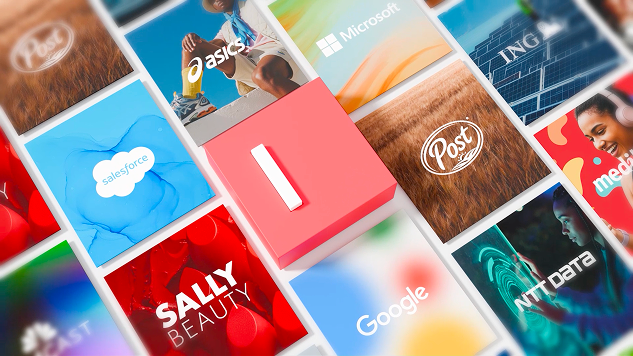
What is Typeface?
Typeface is an advanced enterprise marketing AI platform designed to orchestrate a seamless integration of AI agents, brand intelligence, and comprehensive workflows aimed at creating personalized, on-brand campaigns at scale. The platform is particularly geared towards enabling marketing teams to streamline their processes and launch campaigns that are consistent with their brand identity, all while improving efficiency and effectiveness. With the power of AI agents, Typography redefines how enterprises approach marketing, providing tools that are capable of handling complex tasks across various stages and channels of campaign management.
The core of Typeface's functionality lies in its features that support diverse aspects of marketing workflows. The Arc Graph, for instance, ensures that content stays firmly rooted in brand guidelines while also considering audience context. Connexus tools like Arc Agents lead to drastic improvements in productivity by allowing teams to automate and manage cross-channel campaigns without losing sight of brand integrity. Additionally, the Arc Spaces feature enables users to manage all stages of campaign operations—planning, creation, reviews, approvals, and publishing—from a unified workspace, which consolidates previously disjointed processes.
Typeface offers standout capabilities tailored to meet the demands of modern marketing teams. The platform supports a variety of content types and formatting through its multi-modal and multi-channel approach, leveraging different kinds of AI agents to match the specific needs of each campaign. For creative teams, integration into popular design tools such as Figma, Photoshop, and Illustrator facilitates an efficient workflow, enabling designers to focus on creation while the AI takes care of the underlying business logic. Meanwhile, IT teams benefit from the ability to automate expert workflows, creating reusable agents with necessary guardrails that maintain brand safety and compliance throughout the enterprise.
The target audience for Typeface includes marketing teams, IT departments, and creative teams within large organizations and enterprises that handle complex marketing campaigns requiring brand consistency across various channels. It is particularly beneficial for industries with extensive product lines needing tailored marketing strategies across different markets. Organizations aiming to modernize their marketing infrastructure and leverage AI's potential for personalized content creation will find Typeface invaluable in their toolkit. With features tailored to streamline coordination between creative and marketing functions, those using Typeface can expect significantly faster production timelines and improved campaign effectiveness.
In the context of other enterprise marketing solutions, Typeface stands out due to its strong emphasis on the combination of AI agent efficiency and adherence to brand guidelines. Many existing platforms focus merely on automating content production without ensuring brand voice or context; Typeface combines both elements, supporting enterprises in achieving their marketing goals while safeguarding their identity. This positioning addresses common pain points found in the industry regarding disjointed marketing efforts and chaotic campaign management.
While Typeface showcases several powerful capabilities, prospective users should be aware of its limitations as well. The platform is heavily aimed at enterprise-level users, which may result in a steeper learning curve for smaller marketing teams or those less versed in AI technologies. Its pricing and specifics around integrations, while not explicitly stated, can also pose a challenge for organizations assessing total cost and adaptability to existing systems. Additionally, though Typeface offers a variety of controls to protect brand identity, there may still be challenges in ensuring complete consistency across all generated campaigns, given the complexities associated with extensive product portfolios and diverse audiences that enterprises often manage.
Who it's for
What Typeface can do
8 capabilities, verified from the product.
- Automated content grounding in brand guidelines
- Multi-modal, cross-channel AI agents
- Unified workspace for campaign management
- Custom agent creation via Arc Forge
- Integration with major design tools
- Guardrails for enterprise marketing safety
- Audience context consideration
- Streamlined coordination with marketing teams
Jobs people hire it for
- 01Automate production of localized marketing campaigns
- 02Launch brand-compliant campaigns across channels
- 03Facilitate collaboration between marketers and designers
- 04Create visual content variations efficiently
- 05Implement AI workflows for campaign management
Pros & cons
Where it shines
- Offers a highly integrated approach to marketing workflows
- Facilitates real-time collaboration among teams
- Strong emphasis on brand safety and compliance
- Custom agents enhance flexibility for specific needs
Where it falls short
- May have a steep learning curve for non-technical users
- Pricing structure is not publicly available
- Complexity can overwhelm smaller teams
- Integration with existing systems could vary in ease
Pricing
See the official website for current pricing. Pricing can change — always confirm on the vendor's site.
Frequently asked about Typeface
What is Typeface?
Typeface is an enterprise marketing AI platform that organizes AI agents, brand intelligence, and workflows to create personalized campaigns at scale while ensuring adherence to brand guidelines.
Who can benefit from using Typeface?
Typeface is designed for marketing teams, IT departments, and creative teams within large enterprises dealing with complex marketing efforts and brand consistency across multiple channels.
What features does Typeface offer?
Typeface includes features like the Arc Graph for brand-compliant content, multi-channel AI agents for campaign execution, and a unified workspace that centralizes planning, approvals, and publishing.
How does Typeface ensure brand compliance?
Typeface utilizes a combination of guardrails, brand-safe models, and dedicated AI that respects user data to ensure that all outputs adhere to the desired brand standards.
What are the system requirements to run Typeface?
Typeface operates as a web-based platform, making it accessible through modern web browsers without specific OS requirements.
Is training provided for new users?
Yes, Typeface offers expert support for AI adoption, which includes training, refining workflows, and establishing governance to ensure users can effectively utilize the platform.
Are there any restrictions in using Typeface?
While Typeface is powerful, users may face a learning curve, especially those unfamiliar with AI tools, and integration ease may vary depending on existing systems.
How does Typeface differ from other marketing platforms?
Typeface integrates AI agents with a strong emphasis on brand compliance, simplifying complex marketing workflows while ensuring brand consistency, which is often overlooked in other platforms.
Ready to try Typeface?
1,485 people checked it out on the directory — see it in action on the official site.
Keep exploring
Similar tools in Marketing & SEO
 Marketing & SEO
Surfer
AI-driven SEO visibility platform for organic growth
 Marketing & SEO
GiftHuntr
Find the perfect gift in seconds using AI-generated suggestions.
 Marketing & SEO
SEO Content AI
Maximize Your SEO Results with AI-Driven Content Solutions
 Marketing & SEO
SEO GPT
Free AI tool for creating optimized SEO content with 300+ formats.