
Abstract
Break free from vendor lock-in with composable SIEM for modern SecOps teams.
What is Abstract?
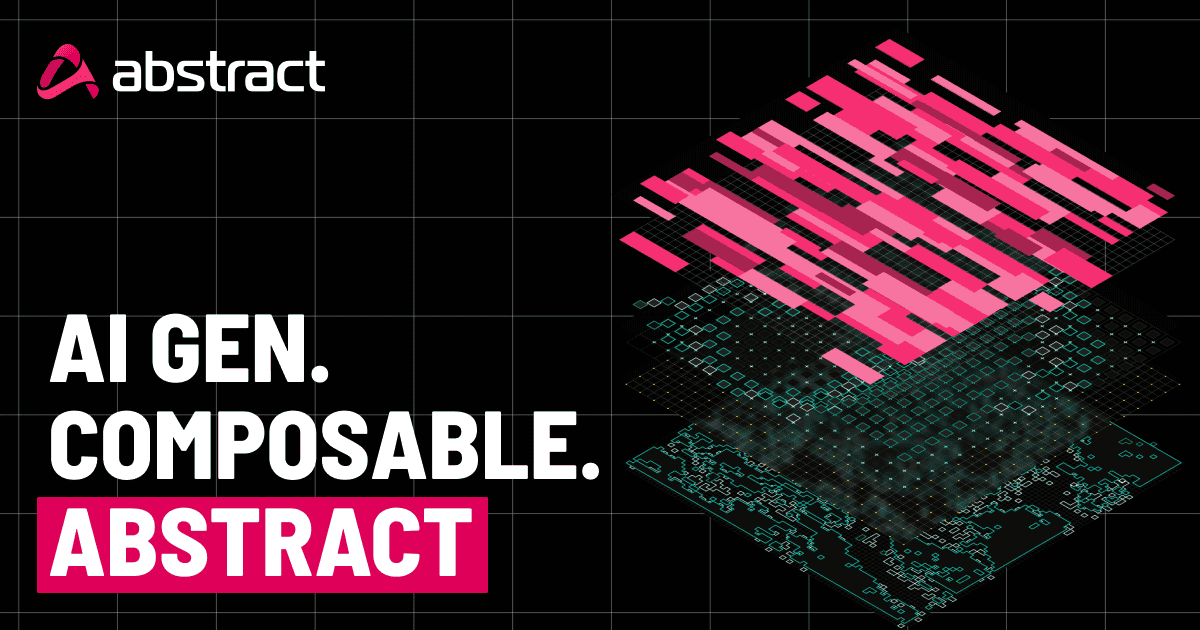
Abstract is a composable Security Information and Event Management (SIEM) platform designed to address numerous issues faced by modern security operations teams, particularly in navigating the challenges of legacy SIEM systems. Traditional SIEM platforms often result in vendor lock-in that deprives teams of flexibility, forcing them to adopt costly upgrades that may not align with their immediate needs. This limitation can trap security teams within a rigid framework that hinders their ability to efficiently manage, analyze, and utilize their security data, ultimately leading to blind spots and increasing costs.
The core workflow of Abstract revolves around its flexible, modular architecture, which allows organizations to build a customized security data fabric that collects, analyzes, and responds to security data in real-time without being restricted by the limitations of outdated legacy systems. Key to the operation is the ability to normalize data from various sources—cloud, SaaS, networks, endpoints, and identities—into common schemas, providing a streamlined process that empowers teams to filter and shape data according to their analytical intent before it becomes part of their billing cycle. This approach prevents the costly ingestion of irrelevant or low-value data, which, in many traditional setups, often overwhelms analysts with unnecessary alerts.
Abstract’s standout capabilities include its tri-tiered storage approach, which categorizes data based on urgency and use case, thereby optimizing retention costs. This is complemented by sophisticated detection capabilities that leverage AI and other advanced technologies to allow security teams to conduct real-time monitoring and retrospective analysis effectively. With AI deeply embedded in its operations, Abstract supports essential functionalities such as triage and prioritization, context-rich investigations, and proactive threat hunting, all while ensuring that the workflows are seamless, irrespective of the underlying infrastructure.
This platform caters primarily to security operations teams across various industries, particularly those in multi-cloud environments and those grappling with legacy systems that stifle agility and innovation. Organizations that need to adapt quickly to the evolving landscape of cybersecurity threats and compliance pressures will find Abstract particularly beneficial. Use cases include scaling operations efficiently without sacrificing critical visibility, facilitating context-rich investigations, and streamlining compliance through intelligent data management processes.
In terms of positioning, Abstract stands out in the crowded SIEM market by emphasizing its composability. Unlike monolithic SIEM solutions, Abstract’s architecture allows for each function—collection, detection, retention—to be independently modified, upgraded, or integrated with other tools, offering a level of flexibility that is increasingly demanded by modern security operations. However, potential users should be aware that transitioning to Abstract requires an initial investment in training and change management, as teams must adapt to its compositional approach and learn to leverage its capacity for customization effectively.
Notable limitations include the need for organizations to have a foundational understanding of their specific security postures and data needs to fully utilize Abstract's capabilities. Additionally, while the platform alleviates many issues related to data management costs and volume overload, it is not a catch-all solution and may require supplementary tools for certain specialized security analytics tasks. For organizations looking for a way to modernize their security operations without the pitfalls of traditional SIEM systems, Abstract provides a compelling solution, positioning itself as a next-generation alternative that is anticipatory of the evolving demands of cybersecurity.
Who it's for
What Abstract can do
8 capabilities, verified from the product.
- Composable architecture allows modular configuration
- Flexible data collection from any source
- AI-powered detection for real-time threats
- Contextual data shaping before billing
- Multi-tiered storage for cost-effective retention
- AI-enabled workflows for SOC operations
- Proactive threat hunting capabilities
- Rich context for investigative processes
Jobs people hire it for
- 01Enable multi-cloud visibility for security teams
- 02Transform data collection strategies to reduce costs
- 03Improve incident response times with AI-assisted workflows
- 04Facilitate compliance through organized data retention
- 05Empower proactive threat detection and analysis
Pros & cons
Where it shines
- Offers a high degree of customization tailored to organizational needs
- AI deeply integrated throughout the control plane for enhanced insights
- Modular architecture prevents vendor lock-in and promotes flexibility
- Streamlines data collection and processing to reduce unnecessary costs
Where it falls short
- Initial transition and training may be required for effective implementation
- May necessitate additional tools for niche security analytics
- Organizations need to have a clear understanding of their data strategy to optimize usage
- Not suitable as a standalone solution for all security scenarios
Pricing
See the official website for current pricing. Pricing can change — always confirm on the vendor's site.
Frequently asked about Abstract
What is Abstract and what problem does it solve?
Abstract is a composable SIEM platform that addresses the pitfalls of traditional SIEM systems, such as vendor lock-in and rigid data management. It allows security teams to collect, analyze, and respond to security data flexibly, reducing costs and improving operational efficiency.
How does Abstract's composable architecture work?
Abstract's composable architecture allows organizations to customize each function—data collection, detection, and retention—independently. This modularity enables teams to modify workflows without relying on a monolithic system, thus avoiding vendor lock-in.
What are the primary benefits of using Abstract?
The primary benefits include enhanced flexibility through modular configurations, AI-driven detection capabilities, cost-effective data management through tiered storage solutions, and improved incident response and proactive threat hunting using integrated AI workflows.
Is there a free trial or pricing information available?
Pricing for Abstract is available upon request, as they operate a contact-based model rather than providing fixed prices or free trials directly on their website.
Who is the ideal audience for Abstract?
Abstract is designed for security operations teams, compliance officers, and IT managers who are looking for flexible, efficient, and scalable solutions to manage their security data effectively.
What types of integrations does Abstract support?
The page does not specify any particular integrations, indicating that the platform is likely designed to work seamlessly across different tools and sources without locking users into specific ecosystems.
How does Abstract handle data storage?
Abstract utilizes a tri-tiered storage strategy that separates data into real-time storage for immediate access, hot storage for high-value data, and warm storage for regulatory compliance, optimizing both performance and cost management.
Can Abstract replace existing SIEM tools?
Abstract can layer into existing stacks, allowing organizations to enhance their security operations without needing to rip and replace their current systems. However, it is not a catch-all solution and should be tailored to specific needs.
Ready to try Abstract?
1,796 people checked it out on the directory — see it in action on the official site.
Keep exploring
Similar tools in Coding & DevTools
 Coding & DevTools
Cursor
The AI-first code editor — chat with your codebase and let agents write multi-file changes.
 Coding & DevTools
GitHub Copilot
Your AI pair programmer — code completions, chat, and agents inside your editor.
 Coding & DevTools
v0
Vercel's AI that turns prompts into production-ready React and Next.js UI.
 Coding & DevTools
E2B
The Enterprise AI Agent Cloud for secure AI workflows